Buy analhygiene.eu ?
We are moving the project
analhygiene.eu .
Are you interested in purchasing the domain
analhygiene.eu ?
domain@kv-gmbh.de · 0541-91531010
Buy analhygiene.eu ?
What is reactivity?
Reactivity refers to how likely a substance is to undergo a chemical reaction. Highly reactive substances are more likely to react with other substances, while less reactive substances are more stable and less likely to undergo reactions. Reactivity is influenced by factors such as the arrangement of electrons in an atom or molecule, the presence of functional groups, and the chemical environment in which the substance is placed. Understanding the reactivity of a substance is important in predicting its behavior in various chemical reactions. **
What is reactivity in elimination?
Reactivity in elimination refers to the relative ease with which a particular substrate undergoes elimination reaction. Substrates with more reactive leaving groups or more substituted carbons are generally more reactive in elimination reactions. Reactivity can also be influenced by the nature of the base or catalyst used in the elimination reaction. Understanding the reactivity of a substrate is important for predicting and controlling the outcome of elimination reactions. **


Similar search terms for Non-reactivity
Top-Angebote
Products related to Non-reactivity:
-
Inspired Living PawFresh Pet Finger Tooth Wipes Dog Teeth Cleaning Wipes & Cat Oral Care Wipes For Easy Daily Dental Hygiene PawFresh Pet Finger Tooth Wipes Dog Teeth Cleaning Wipes & Cat Oral Care Wipes For Easy Daily Dental HygieneFeel closer to your furry friend with every cuddle, kiss, and tail wag. These dog teeth cleaning wipes make daily oral care simple, stressfree, and comfortable for both pets and owners. Designed as soft finger covers infused with cleansing wipes,...23,97 $*Shipping: 0,00 $Secure redirect to the provider
-
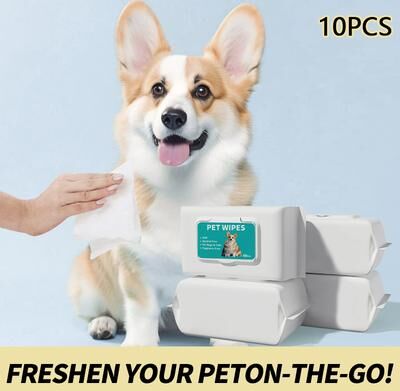
Happy Pet Pantry Pure Paws Pet Cleaning Wipes 10 Pack Pet Wipes, Dog Wipes & Cat Wipes For Fresh Daily Care Pure Paws Pet Cleaning Wipes 10 Pack Pet Wipes, Dog Wipes & Cat Wipes For Fresh Daily CareGentle care should be as easy as a quick wipe. These convenient Pet Wipes help keep your furry companion clean, fresh, and comfortable between baths. Designed for both dogs and cats, the purewater formula gently removes dirt, odors, and everyday...34,97 $*Shipping: 0,00 $Secure redirect to the provider
-
Uplift Essentials Fresh Breath Dental Care Disposable Finger Wipes (50 Count) Fresh Breath Dental Care Disposable Finger Wipes (50 Count)Maintaining your pet's oral hygiene has never been easier than with our Disposable Dental Finger Wipes. Designed as a stressfree alternative to traditional toothbrushes and toothpaste, these textured sleeves slip directly onto your finger, allowing...55,97 $*Shipping: 0,00 $Secure redirect to the provider
-
Happy Pet Pantry Dental Finger Wipes For Dogs & Cats Gentle Pet Dental Wipes For Fresh Breath & Clean Teeth Dental Finger Wipes For Dogs & Cats Gentle Pet Dental Wipes For Fresh Breath & Clean TeethA clean, healthy smile can make every cuddle even more enjoyable. These Pet Dental Wipes are designed for dog and cat owners who want an easy way to support their pets oral hygiene without the stress of traditional brushing. The soft fingerwipe...29,97 $*Shipping: 0,00 $Secure redirect to the provider



-
What is reactivity in chemistry?
Reactivity in chemistry refers to the tendency of a substance to undergo chemical reactions with other substances. This can be influenced by factors such as the arrangement of electrons in the atoms, the presence of functional groups, and the stability of the resulting products. Highly reactive substances are more likely to participate in chemical reactions, while less reactive substances are more stable and less likely to undergo reactions. Understanding reactivity is important in predicting how substances will behave in various chemical processes and reactions. **
-
Why do alkenes and alkynes have a high reactivity? Why is the reactivity of alkenes greater than that of alkanes and the reactivity of alkynes the greatest?
Alkenes and alkynes have high reactivity due to the presence of pi bonds, which are more easily broken than the sigma bonds found in alkanes. The pi bonds in alkenes and alkynes are more exposed and less stable, making them more susceptible to reactions. The reactivity of alkenes is greater than that of alkanes because they have one or more pi bonds, which provide more opportunities for chemical reactions. Similarly, alkynes have the greatest reactivity because they have two pi bonds, making them even more susceptible to reactions than alkenes. **
-
What is the reactivity of alkenes and alkynes?
Alkenes and alkynes are more reactive than alkanes due to the presence of pi bonds in their structures. The pi bonds allow for the addition of atoms or groups to the carbon-carbon double or triple bond, making them susceptible to various types of reactions such as addition reactions. Alkynes are generally more reactive than alkenes due to the presence of a triple bond, which provides more opportunities for reactions to occur. Overall, the reactivity of alkenes and alkynes makes them important building blocks in organic chemistry for synthesizing a wide range of compounds. **
-
What is the reactivity of the main groups?
The reactivity of the main groups in the periodic table varies depending on the specific group. Generally, the alkali metals in Group 1 are highly reactive, readily forming ionic compounds with nonmetals. The alkaline earth metals in Group 2 are also reactive, but less so than the alkali metals. The halogens in Group 17 are highly reactive nonmetals, readily forming compounds with metals. The noble gases in Group 18 are generally unreactive due to their full outer electron shells. Overall, reactivity tends to increase going down a group and decrease going across a period from left to right. **

What is the reactivity of alkanes and alkenes?
Alkanes are relatively unreactive due to the presence of only single bonds between carbon atoms, which makes them stable and inert under most conditions. On the other hand, alkenes are more reactive than alkanes due to the presence of a double bond, which can undergo addition reactions with various reagents. This double bond provides alkenes with the ability to participate in a wide range of chemical reactions, making them more versatile in organic synthesis compared to alkanes. **
What is the reactivity series of metals in chemistry?
The reactivity series of metals is a list of metals arranged in order of their reactivity, from the most reactive to the least reactive. This series helps predict how metals will react with other substances, such as acids or water. Metals higher in the reactivity series will displace metals lower in the series from their compounds in reactions. The reactivity series is a fundamental concept in chemistry that helps understand the behavior of metals in various chemical reactions. **
Top-Angebote
Products related to Non-reactivity:
-
Uplifted Finds Mint Fresh Pet Oral Hygiene Finger Wipes Mint Fresh Pet Oral Hygiene Finger WipesMaintain your pets dental health with zero struggle using the MintFresh Oral Hygiene Finger Wipes. Designed for pets who shy away from traditional toothbrushes and abrasive pastes, these premoistened finger covers allow you to clean teeth and gums...58,97 $*Shipping: 0,00 $Secure redirect to the provider
-
Uplifted Finds Deep Clean Oral Care Finger Wipes Deep Clean Oral Care Finger WipesMaintaining your pet's dental hygiene has never been easier or less stressful. These Disposable Finger Toothbrush Wipes are the perfect alternative for pets who run away at the sight of a traditional toothbrush. Designed as a soft, textured sleeve...45,97 $*Shipping: 0,00 $Secure redirect to the provider
-
Inspired Living PawFresh Pet Finger Tooth Wipes Dog Teeth Cleaning Wipes & Cat Oral Care Wipes For Easy Daily Dental Hygiene PawFresh Pet Finger Tooth Wipes Dog Teeth Cleaning Wipes & Cat Oral Care Wipes For Easy Daily Dental HygieneFeel closer to your furry friend with every cuddle, kiss, and tail wag. These dog teeth cleaning wipes make daily oral care simple, stressfree, and comfortable for both pets and owners. Designed as soft finger covers infused with cleansing wipes,...23,97 $*Shipping: 0,00 $Secure redirect to the provider
-
Happy Pet Pantry Pure Paws Pet Cleaning Wipes 10 Pack Pet Wipes, Dog Wipes & Cat Wipes For Fresh Daily Care Pure Paws Pet Cleaning Wipes 10 Pack Pet Wipes, Dog Wipes & Cat Wipes For Fresh Daily CareGentle care should be as easy as a quick wipe. These convenient Pet Wipes help keep your furry companion clean, fresh, and comfortable between baths. Designed for both dogs and cats, the purewater formula gently removes dirt, odors, and everyday...34,97 $*Shipping: 0,00 $Secure redirect to the provider
-
What is reactivity?
Reactivity refers to how likely a substance is to undergo a chemical reaction. Highly reactive substances are more likely to react with other substances, while less reactive substances are more stable and less likely to undergo reactions. Reactivity is influenced by factors such as the arrangement of electrons in an atom or molecule, the presence of functional groups, and the chemical environment in which the substance is placed. Understanding the reactivity of a substance is important in predicting its behavior in various chemical reactions. **
-
What is reactivity in elimination?
Reactivity in elimination refers to the relative ease with which a particular substrate undergoes elimination reaction. Substrates with more reactive leaving groups or more substituted carbons are generally more reactive in elimination reactions. Reactivity can also be influenced by the nature of the base or catalyst used in the elimination reaction. Understanding the reactivity of a substrate is important for predicting and controlling the outcome of elimination reactions. **
-
What is reactivity in chemistry?
Reactivity in chemistry refers to the tendency of a substance to undergo chemical reactions with other substances. This can be influenced by factors such as the arrangement of electrons in the atoms, the presence of functional groups, and the stability of the resulting products. Highly reactive substances are more likely to participate in chemical reactions, while less reactive substances are more stable and less likely to undergo reactions. Understanding reactivity is important in predicting how substances will behave in various chemical processes and reactions. **
-
Why do alkenes and alkynes have a high reactivity? Why is the reactivity of alkenes greater than that of alkanes and the reactivity of alkynes the greatest?
Alkenes and alkynes have high reactivity due to the presence of pi bonds, which are more easily broken than the sigma bonds found in alkanes. The pi bonds in alkenes and alkynes are more exposed and less stable, making them more susceptible to reactions. The reactivity of alkenes is greater than that of alkanes because they have one or more pi bonds, which provide more opportunities for chemical reactions. Similarly, alkynes have the greatest reactivity because they have two pi bonds, making them even more susceptible to reactions than alkenes. **
Similar search terms for Non-reactivity
-
Uplift Essentials Fresh Breath Dental Care Disposable Finger Wipes (50 Count) Fresh Breath Dental Care Disposable Finger Wipes (50 Count)Maintaining your pet's oral hygiene has never been easier than with our Disposable Dental Finger Wipes. Designed as a stressfree alternative to traditional toothbrushes and toothpaste, these textured sleeves slip directly onto your finger, allowing...55,97 $*Shipping: 0,00 $Secure redirect to the provider
-
Happy Pet Pantry Dental Finger Wipes For Dogs & Cats Gentle Pet Dental Wipes For Fresh Breath & Clean Teeth Dental Finger Wipes For Dogs & Cats Gentle Pet Dental Wipes For Fresh Breath & Clean TeethA clean, healthy smile can make every cuddle even more enjoyable. These Pet Dental Wipes are designed for dog and cat owners who want an easy way to support their pets oral hygiene without the stress of traditional brushing. The soft fingerwipe...29,97 $*Shipping: 0,00 $Secure redirect to the provider
-
Pampers Fresh & Clean wet cleansing wipes for children 9x80 pcPampers Fresh & Clean, 9x80 pc, Wet anti-bacterial wipes For Kids, Make sure you enjoy every moment together, even if your child might get a little dirty. All dirt and stains can be quickly and easily dealt with thanks to Pampers Fresh & Clean wipes. Children’s sensitive skin will be cleaned simply, reliably and yet gently, without undue drying or irritation. The wipes are always handy to refresh you instantly and ensure hygiene both at home and when travelling. Characteristics: long-lasting care for children’s skin removes dirt hydrates and nourishes protects the skin against external harmful influences softens children’s skin has a soft surface for use on the face and body has a pleasant fragrance looks after and cleanses children’s skin soothes the skin Ingredients: alcohol-free How to use: Clean your child’s skin gently with the wipe. Use as needed. Wipes are intended for single use only.18,00 £*Shipping: 3,99 £Secure redirect to the provider
-
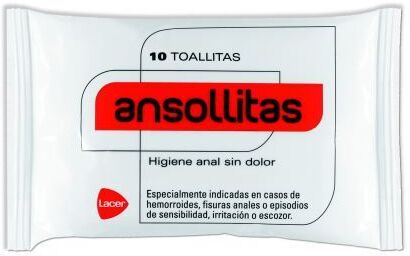
Lacer Anal Hygiene Wipes 10 unitsHealth and Beauty Intimate hygiene Lacer Anal Hygiene Wipes 10 units Wet wipes for daily hygiene. Recommended for cases of hemorrhoids, anal fissures, or episodes of sensitivity, irritation, or itching. With 100% natural fiber.2,09 £*Shipping: 3,99 £Secure redirect to the provider
-
What is the reactivity of alkenes and alkynes?
Alkenes and alkynes are more reactive than alkanes due to the presence of pi bonds in their structures. The pi bonds allow for the addition of atoms or groups to the carbon-carbon double or triple bond, making them susceptible to various types of reactions such as addition reactions. Alkynes are generally more reactive than alkenes due to the presence of a triple bond, which provides more opportunities for reactions to occur. Overall, the reactivity of alkenes and alkynes makes them important building blocks in organic chemistry for synthesizing a wide range of compounds. **
-
What is the reactivity of the main groups?
The reactivity of the main groups in the periodic table varies depending on the specific group. Generally, the alkali metals in Group 1 are highly reactive, readily forming ionic compounds with nonmetals. The alkaline earth metals in Group 2 are also reactive, but less so than the alkali metals. The halogens in Group 17 are highly reactive nonmetals, readily forming compounds with metals. The noble gases in Group 18 are generally unreactive due to their full outer electron shells. Overall, reactivity tends to increase going down a group and decrease going across a period from left to right. **
-
What is the reactivity of alkanes and alkenes?
Alkanes are relatively unreactive due to the presence of only single bonds between carbon atoms, which makes them stable and inert under most conditions. On the other hand, alkenes are more reactive than alkanes due to the presence of a double bond, which can undergo addition reactions with various reagents. This double bond provides alkenes with the ability to participate in a wide range of chemical reactions, making them more versatile in organic synthesis compared to alkanes. **
-
What is the reactivity series of metals in chemistry?
The reactivity series of metals is a list of metals arranged in order of their reactivity, from the most reactive to the least reactive. This series helps predict how metals will react with other substances, such as acids or water. Metals higher in the reactivity series will displace metals lower in the series from their compounds in reactions. The reactivity series is a fundamental concept in chemistry that helps understand the behavior of metals in various chemical reactions. **
* All prices are inclusive of VAT and, if applicable, plus shipping costs. The offer information is based on the details provided by the respective shop and is updated through automated processes. Real-time updates do not occur, so deviations can occur in individual cases. ** Note: Parts of this content were created by AI.